Katz’s Deli In New York Is World Famous For Its Pastrami On Rye — Here’s Why
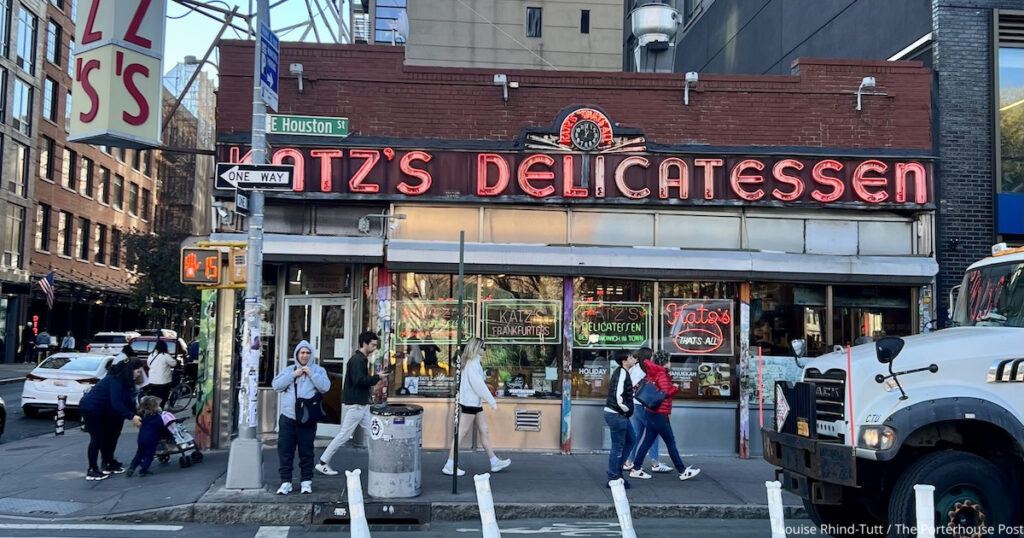
New York City is renowned for its historic delicatessens, and Katz’s is one of the most famous. Since 1888 — first going by the name Iceland Brothers before becoming Iceland & Katz and then Katz’s Delicatessen — it’s a staple of the Lower East Side, and indeed the city.
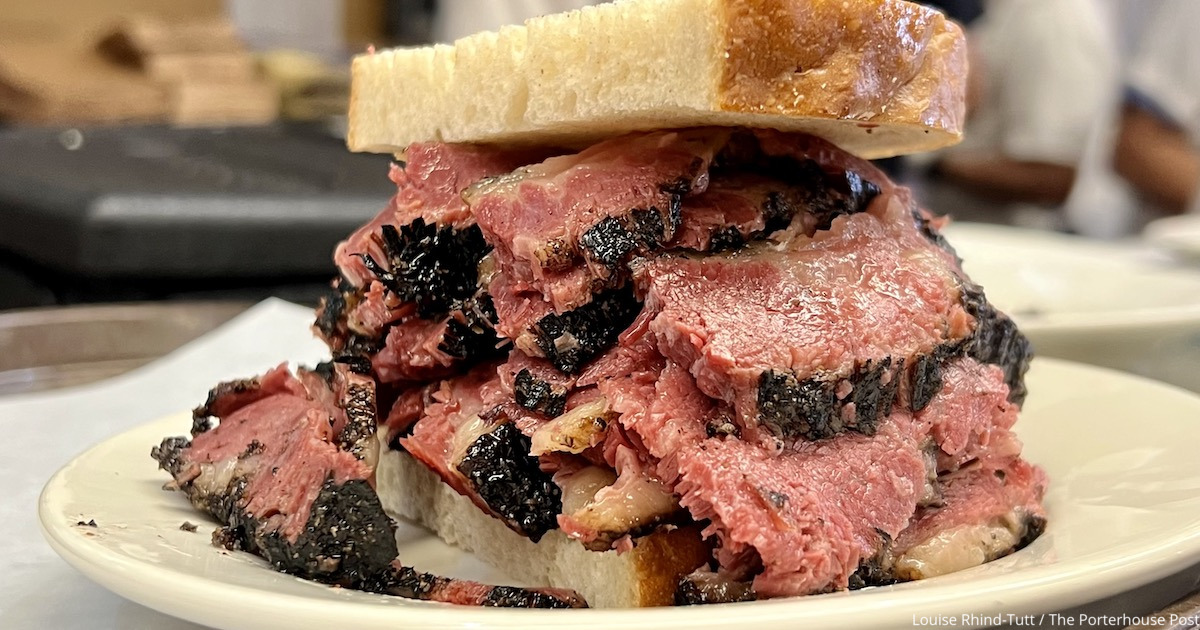
One of Katz’s claims to fame is being the site of the famous “I’ll have what she’s having” scene in the film “When Harry Met Sally” — a sign now marks the table it was filmed at. But an even bigger draw for the thousands of tourists and locals who flock to the deli is Katz’s famous pastrami, generously heaped into seedless rye bread. So what makes it so special?
According to Katz’s website, its corned beef and pastrami is “cured using a slower method, which best flavors the meat, without injecting chemicals, water, or other additives to speed the process.” The process can take a full month. Compared with some commercially prepared corned beef that is pumped to cure in just 36 hours, this helps to explain the tender texture and rich flavour which keeps diners coming back.
Katz’s Deli spends 30 days curing its pastrami
Katz’s uses a particular cut of beef to make its pastrami in-house: the navel. Coming from the underbelly of the animal, it could easily be a tough and chewy piece of meat, were it not for the long curing process. The meat is first submerged in a saltwater brine spiked with spices, which infuses it with robust flavour as well as lending it a distinctive rosy hue.
After its salty bath, which takes weeks, each piece of meat is drained and rubbed with a signature spice blend — this is what gives the pastrami its beautiful dark bark around the edge once cooked. The beef is smoked for hours for a deliciously savoury aroma and flavour, before being boiled for a couple of hours so it’s extra-tender. It’s then held in steamers until it’s ready to be carved by hand at the counter.
Once you’ve made your way to the front of the queue, a server gives you a little plate with a couple of meaty morsels to sample while your sandwich is being prepared. It’s heavenly, and whets the appetite ready for the main event — possibly the biggest sandwich I’ve ever seen, with a choice of “juicy or lean” meat (juicy, obviously) and an array of additional dressings and fillings. It’s not cheap — $28.95 for a full sandwich (around £22) at the time of writing. But it easily serves two, and once you appreciate the skill and time it takes to create, you’ll see why this sandwich is world famous.