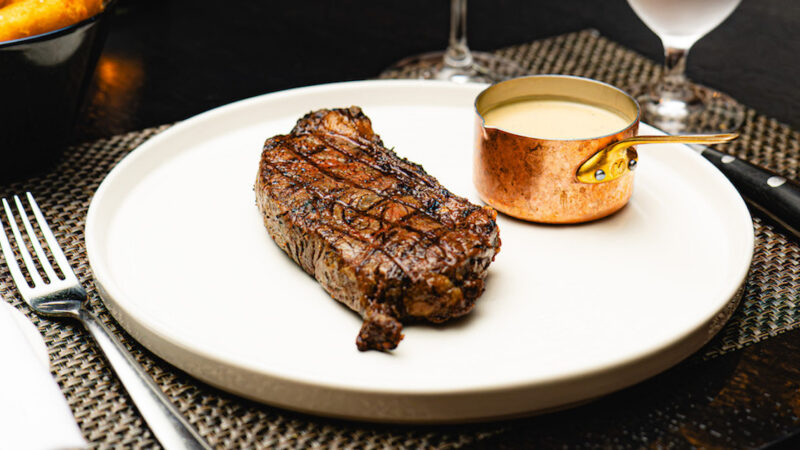
How To Cook Bavette Steak Like A Pro
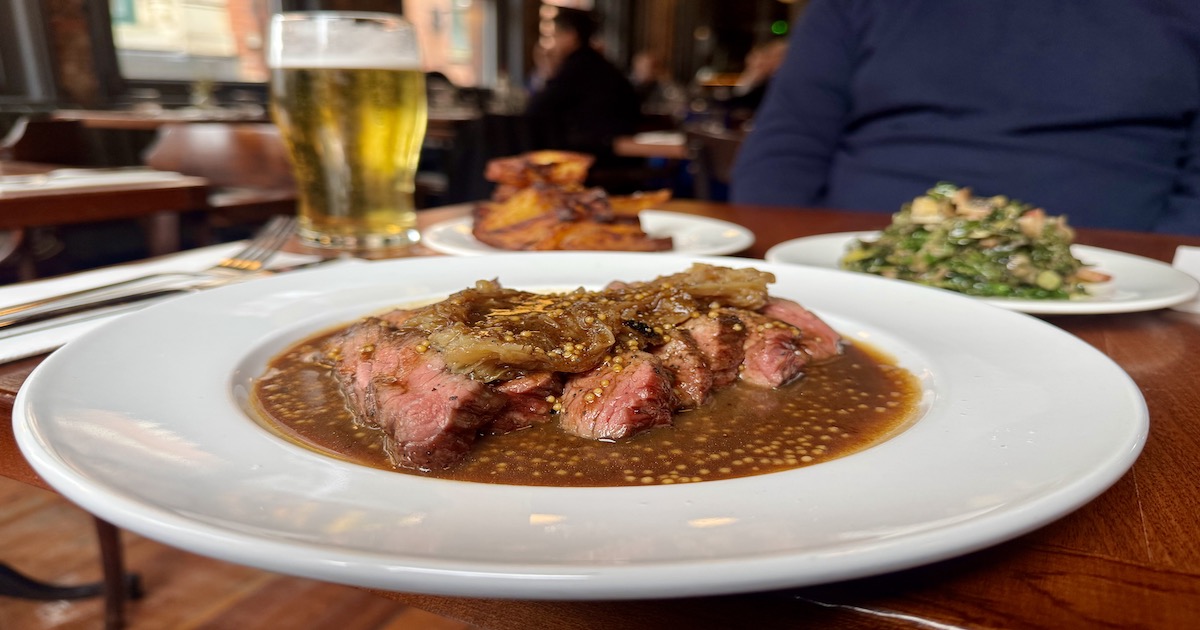
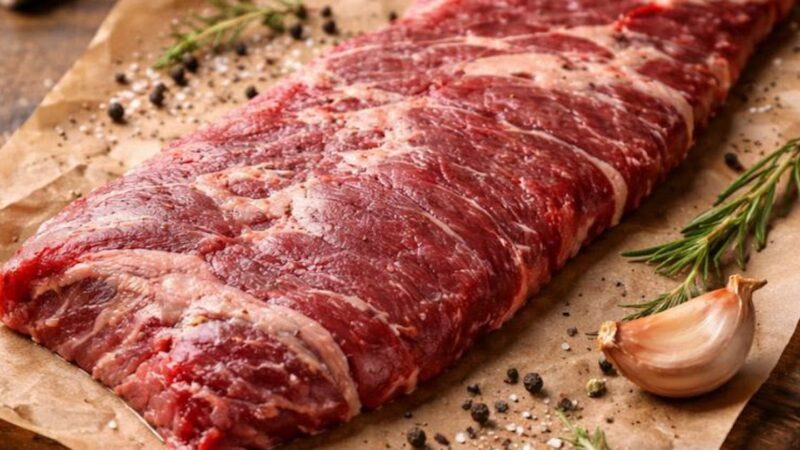
Bavette steak is a favourite cut among many chefs, renowned for its rich flavour. But thanks to its rather fibrous nature, it can be somewhat intimidating for home cooks, who may be more unfamiliar with this piece of beef. To discover how to prepare, cook and serve bavette like a pro, I asked Jamie Pickles, co-founder of Michelin Guide-listed Stow, and co-owner of The Trof in Manchester’s Northern Quarter, to share his expert advice.
“The first and most important part is to go to your local butcher and talk to them about what it is you want to do with it,” suggests Pickles. “They will be full of knowledge about where the beef came from and the best ways to cook it. When it comes to bavette, a nice even thickness is always a good sign to ensure you can get a relatively even cook throughout.”
Once you’ve bought your steak, bavette requires a little prep before cooking for the best results. “Bavette is a highly marbled piece of steak, with an obvious grain to work with,” says Pickles. “The absolute musts are to take it out of the fridge half an hour before you cook it and season well with salt. Aside from this, if you’re grilling it, a marinade or rub is a nice touch, but absolutely not essential. If you’re going to serve it in a classic French bistro style, you would want to keep the flavour profile relatively simple, with the addition of black pepper.”
Barbecue bavette and slice it against the grain
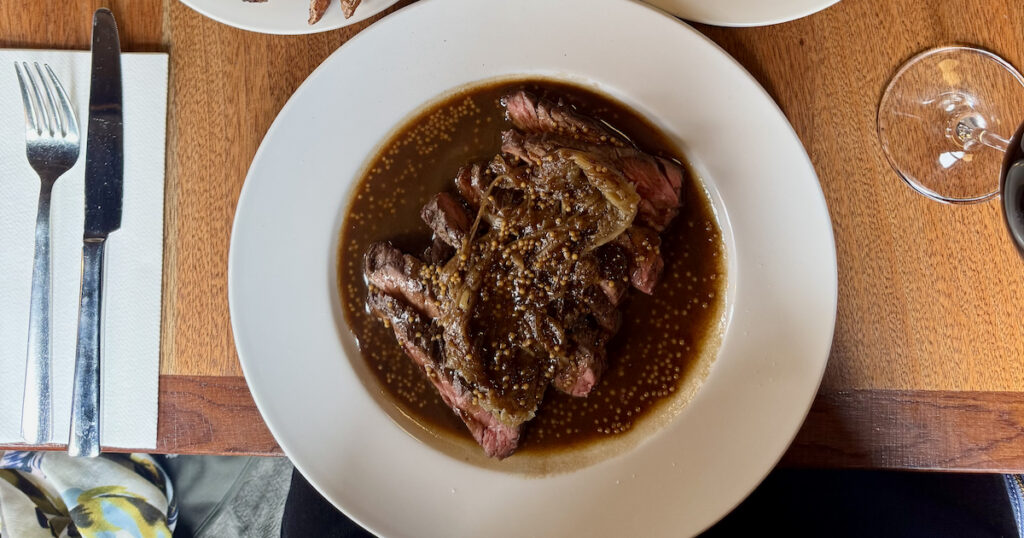
“Bavette really lends itself to barbecuing, over charcoal specifically, turning regularly over a high heat to create a nice crust and keep the cooking process fast and consistent,” suggests Jamie Pickles. The chef cooks his meat to 44°C internally, checking it with a probe. In terms of timing, this will depend on the thickness of the meat, but two to three minutes per side is a good guide.
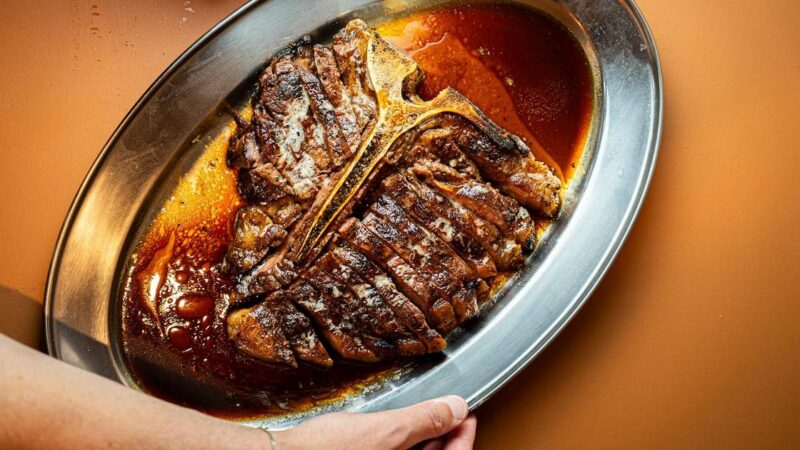
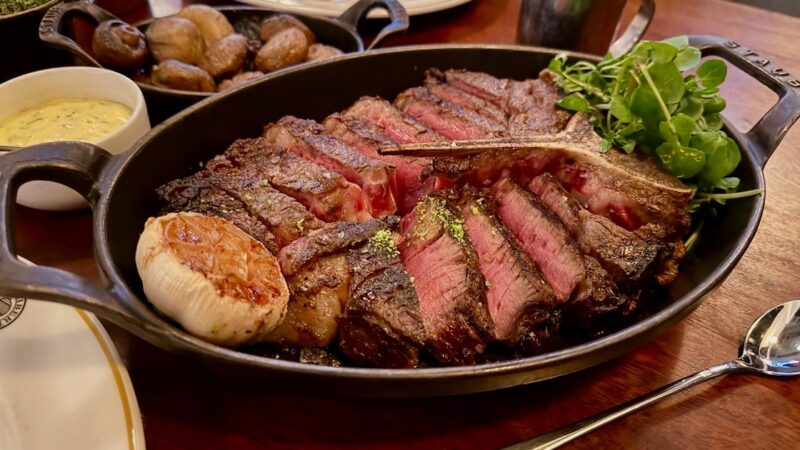
Once you’ve cooked your bavette, it’s essential to rest the steak so it’s tender rather than tough. Let it rest for at least five minutes, suggests Pickles. “Brushing some caramelised butter over the steak as it’s resting, maybe with some rosemary and thyme, is a lovely touch to help impart more flavour.” Perhaps the most important thing if you want to get a professional result with bavette is how you slice the meat once it’s rested. “Slice the steak across the grain, this is key,” says Pickles. “If you slice it with the grain, you will find it chewy and hard to bite. The steak should be consistently blushing pink throughout.”
What’s the best way to serve the steak? “I think this cut of beef lends itself to two flavour profiles particularly well,” he says. “The first is a classic French bistro style, maybe with a beef sauce and onions or a peppercorn sauce with fries — this is absolute nostalgia of French holidays as a kid for me”. At The Trof, Pickles serves the cut with caramelised shallots, pickled mustard seeds, and a glossy beef sauce. “The second [way] is a more spice led route, maybe Mexican or South American more generically,” he suggests. “Maybe a fresh, vibrant chimichurri with some soft tacos and salsa, great for a summer BBQ with friends.”