How To Cook Skirt Steak Like A Pro
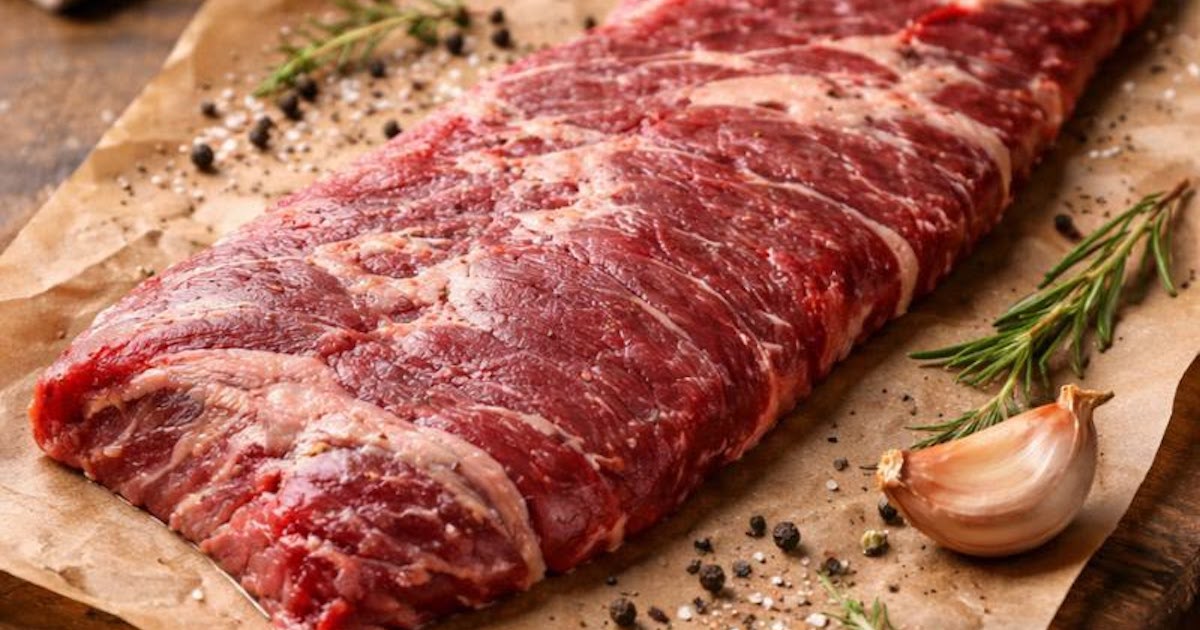
Seeking out cuts beyond the usual prime cuts like fillet, sirloin, ribeye, T-bone or porterhouse steak can be richly rewarding for home cooks, both in terms of taste and value for money. It can be daunting to pick out a cut you’ve never tried before. But tips from the professionals will help you buy and cook a lesser-known steak with confidence. For celebrity chef and TV personality Mike Reid, there’s one clear winner: inside skirt steak.
“This cut is unrivalled for flavour and sheer beefiness,” Reid explains. “Inside skirt is a touch leaner and works a bit harder than the outside skirt, and that’s exactly why it delivers that deep, proper beef flavour. Handle it right and it more than holds its own on tenderness.”
When it comes to choosing a skirt steak to buy, Reid has some helpful tips for beginners. “Always look for a deep, rich, red colour with the fat and fibres running through the meat as that’s where all the flavour lives,” he suggests. “Australian grass-fed skirt is hard to beat here; it’s got real depth to it and the cattle are raised out on pasture, which gives the meat that lovely, distinctive character.” Ask your butcher for a thick, even piece rather than the thin, raggedy ends, he advises. “You want a good, consistent piece of meat that will cook evenly and give you a decent amount of that lovely, caramelised crust on the outside.”
Dry brine or marinade skirt steak for the best results
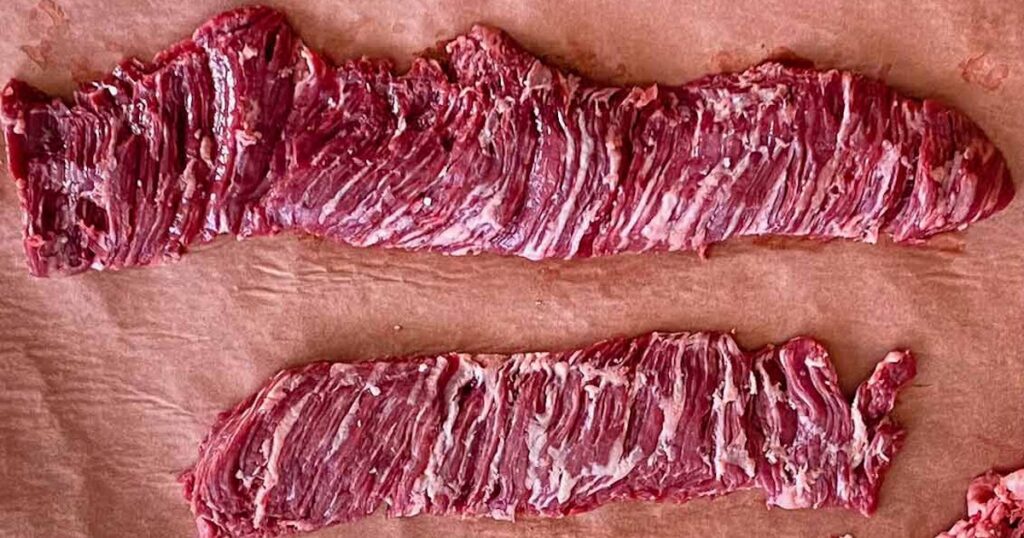
You should always take any steak out of the fridge around 30 to 40 minutes ahead of cooking so that it comes up to room temperature, suggests chef Mike Reid — and skirt is no exception. “Cold meat hitting a hot pan steams instead of searing, which means less of that deep, caramelised flavour,” he explains. “Pat it really dry with kitchen paper — a dry surface is what gives you a proper crust.”
You’ll want to season your steak generously with salt just before it goes on the heat. But you can also take it a step further. “If you have time then you can dry-brine skirt,” suggests Reid. “Salt it and leave it uncovered in the fridge for a couple of hours. The salt draws out a little moisture at first, which is then reabsorbed into the meat, seasoning it more deeply. Leaving it uncovered also dries the surface, which helps you get a really good sear.”
While prime cuts don’t often require marinating, cheaper or tougher cuts can benefit from the process. “Inside skirt in particular loves a quick marinade — this should include oil, garlic, and a hit of acid — it’s a cut that takes on flavour beautifully,” says Reid. “Keep the marinade time between 30 minutes and two hours though. Any longer and the acid starts softening the texture too far.”
Cook skirt steak hot and fast and don’t overcook it
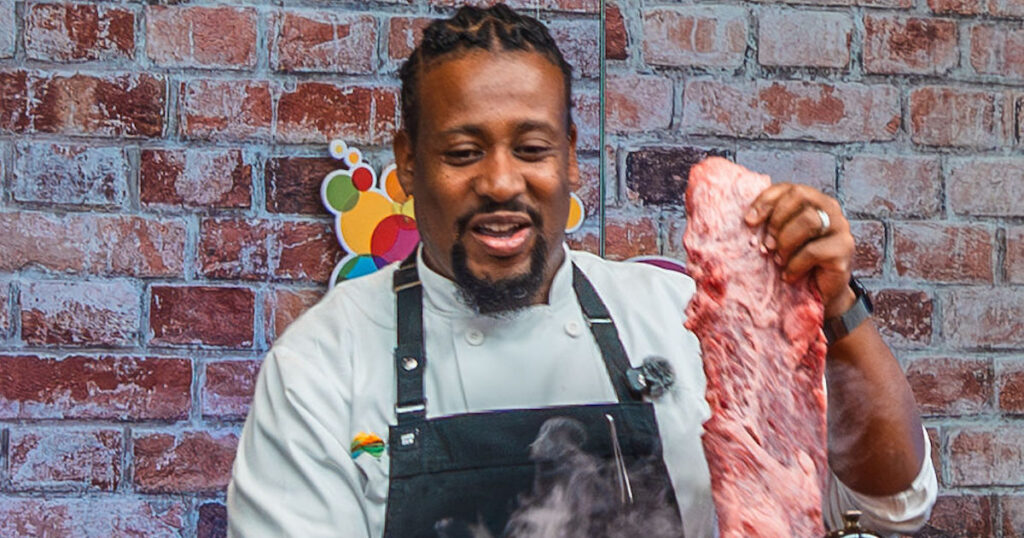
Once you’ve dry-brined or marinated your skirt steak, how’s best to cook it? “Hot and fast is the golden rule,” says chef Mike Reid. “Get a heavy pan or the BBQ screaming hot before it goes anywhere near.”
The cooking process is much faster than you might expect. “Inside skirt is a thin cut, so it only wants 1 to 2 minutes a side — anything else and it’ll end up tough and chewy,” says Reid. “You want a good, hard sear on the outside while keeping the inside nice and juicy.”
With cuts that have the potential to become tough, it’s more important than ever to avoid overcooking. “You’re chasing rare to medium-rare, so the internal temperature should be around 52 to 54°C,” suggests Reid. “This cut punishes overcooking more than most, so always make sure to keep it pink. Then finally, rest it for five minutes before you slice for a tender steak that’s full of flavour.”
Slice skirt steak against the grain and serve it with punchy flavours
When it comes to slicing the meat, it’s key to get this right if you want to avoid an unpleasant texture. “The single most important thing about serving inside skirt is to slice it thinly, against the grain, on a slight angle,” said Reid. “Inside skirt has a long, pronounced grain. Get this right and it’s beautifully tender; get it wrong and it’s chewy.”
The direction of the grain tends to be easy to identify on cuts such as skirt, which makes this vital step simpler to follow. Cutting across the long muscle fibres before serving the steak guarantees a more satisfying bite.
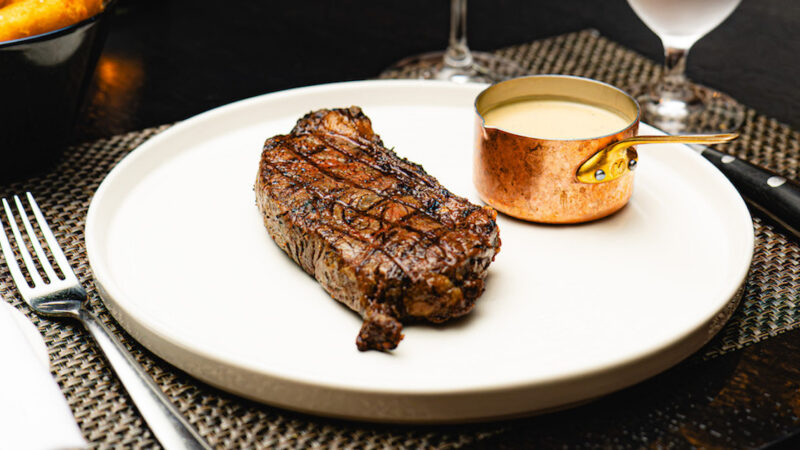
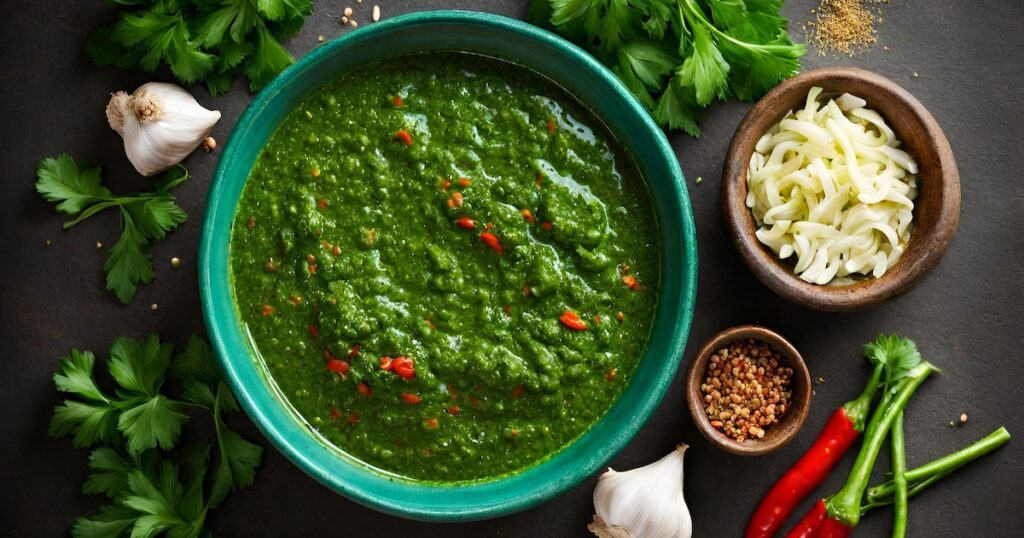
When it comes to accompaniments, Reid says that inside skirt “is built for punchy partners — a chimichurri or a sharp salsa verde are perfect. It’s also the classic cut for tacos, fajitas and carne asada, or keep it simple with grilled veg and some good crispy fries.”