Slice Steak Against The Grain For A Tender Texture — Here’s How To Do It
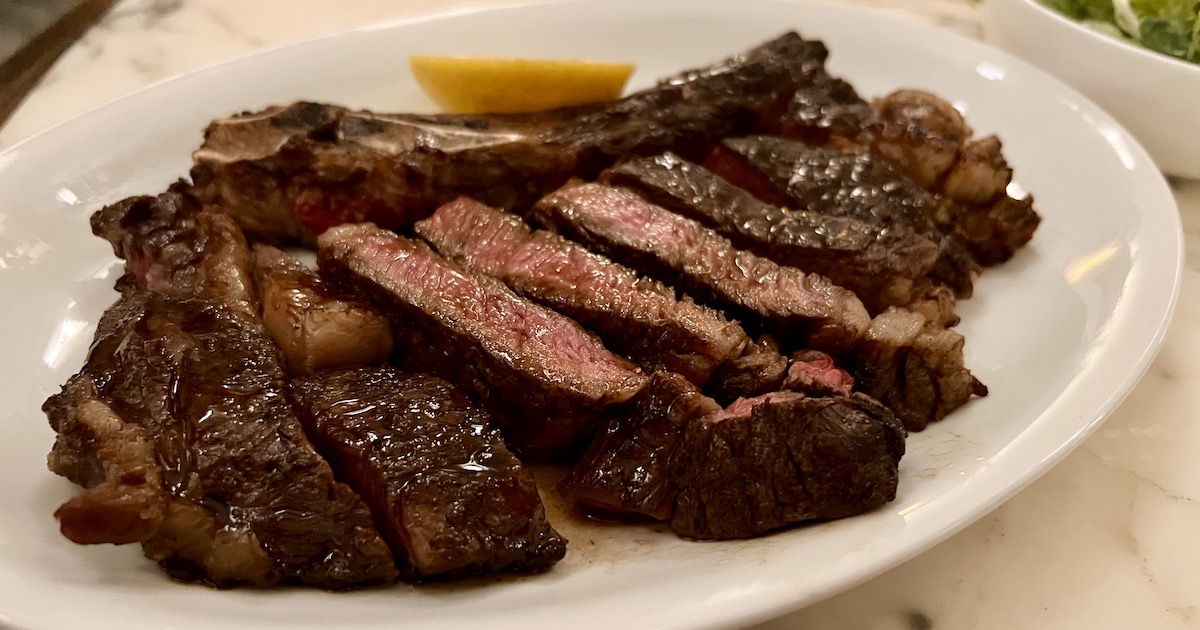
It can be incredibly frustrating to go to all the effort of preparing and cooking a beautiful looking steak, then start eating it to find it’s unpleasantly tough or chewy. But there’s a simple way to ensure a more tender texture every time, and it’s all about how you slice the meat once it’s been cooked and rested: You need to slice the meat against the grain before serving. Maybe you’ve heard this advice before, or read it in a recipe, but are unsure what it actually means? Here’s what you need to know.
First of all, what even is the grain? Think of a piece of meat as made up of lengthy muscle fibres, which resemble long lines running through it, almost like the grain in a piece of wood. If you slice the beef along these fibres, it takes more effort to break them down — essentially, your teeth have to do all the hard work. But if you cut the meat the other way — against the grain, or perpendicular to those fibres — you’re shortening them. This makes the meat more tender to chew.
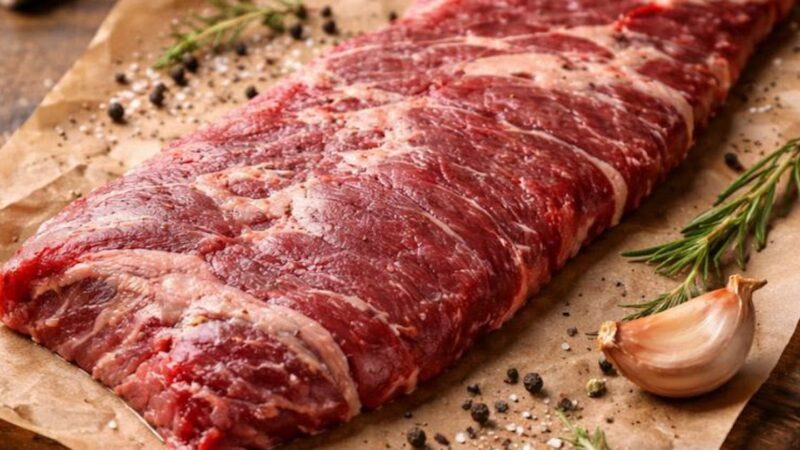
It’s easy to identify the grain in some cuts of beef, such as skirt, and trickier for others, such as fillet. But once you’ve got the hang of slicing steak this way, the technique can transform even tougher or cheaper cuts into something much more enjoyable to eat.
How to slice steak against the grain
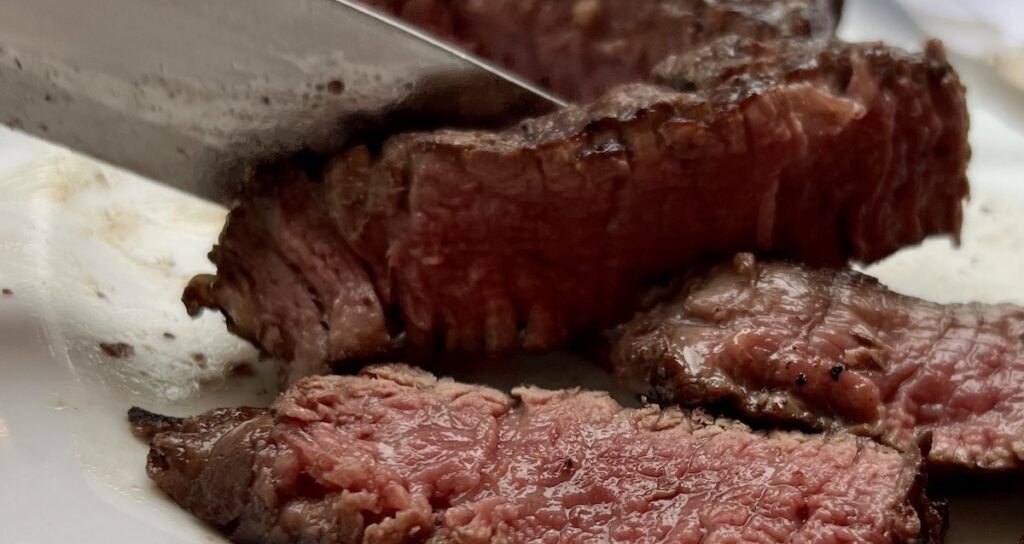
The easiest way to identify which way the grain runs in a steak is often when it’s raw, rather than once it’s been cooked. Look for lines running up and down through the meat, or from left to right. It may be more clearly visible in tougher cuts than more naturally tender ones — but this just makes the technique even more useful, as it can transform chewier cuts into a more pleasurable bite.
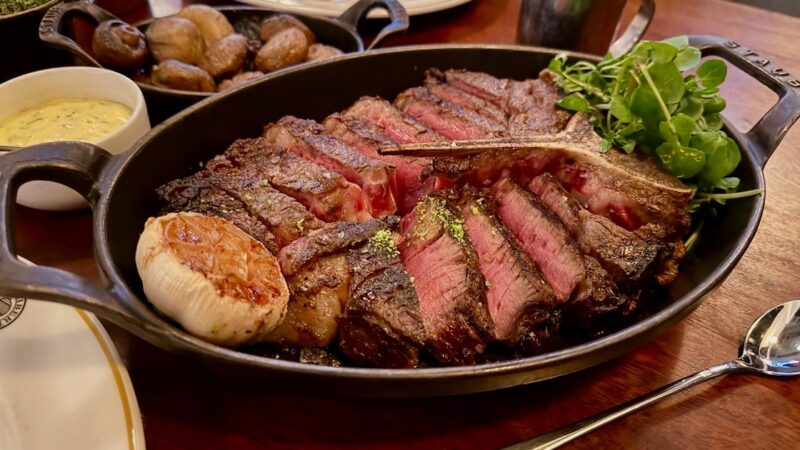
Once the steak is cooked and rested, place it on your chopping board with the grain running parallel to the long side. Position your sharp knife at a 90-degree angle and slice the meat thinly against the grain, cutting through the long fibres. Aim for around ¼ inch thickness — or thinner if it’s a particularly tough cut.
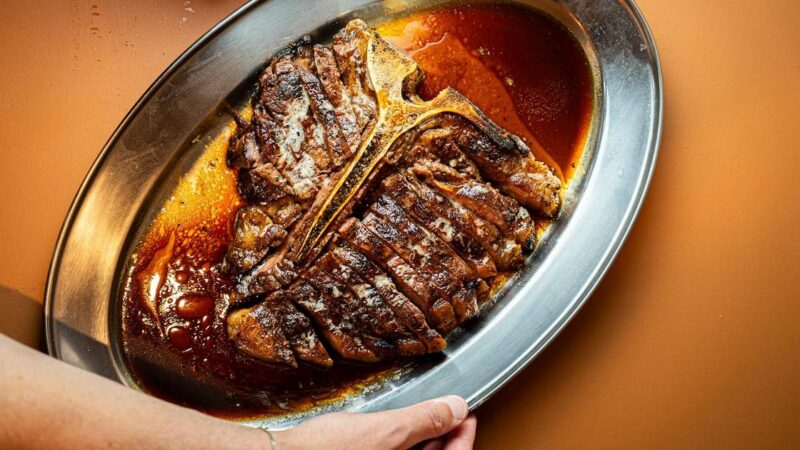
It’s important to keep in mind that in some cuts — such as a porterhouse or T-bone steak — there can be different directions of grain thanks to the natural muscle structure. In this case, you’ll need to slice against the fibres in each part, perhaps rotating the steak to make things easier. But no matter which cut you’ve cooked, slicing against the grain is a simple way to ensure a more tender texture — and a more satisfying steak dinner.