How To Cook New York Strip Steak Like A Pro
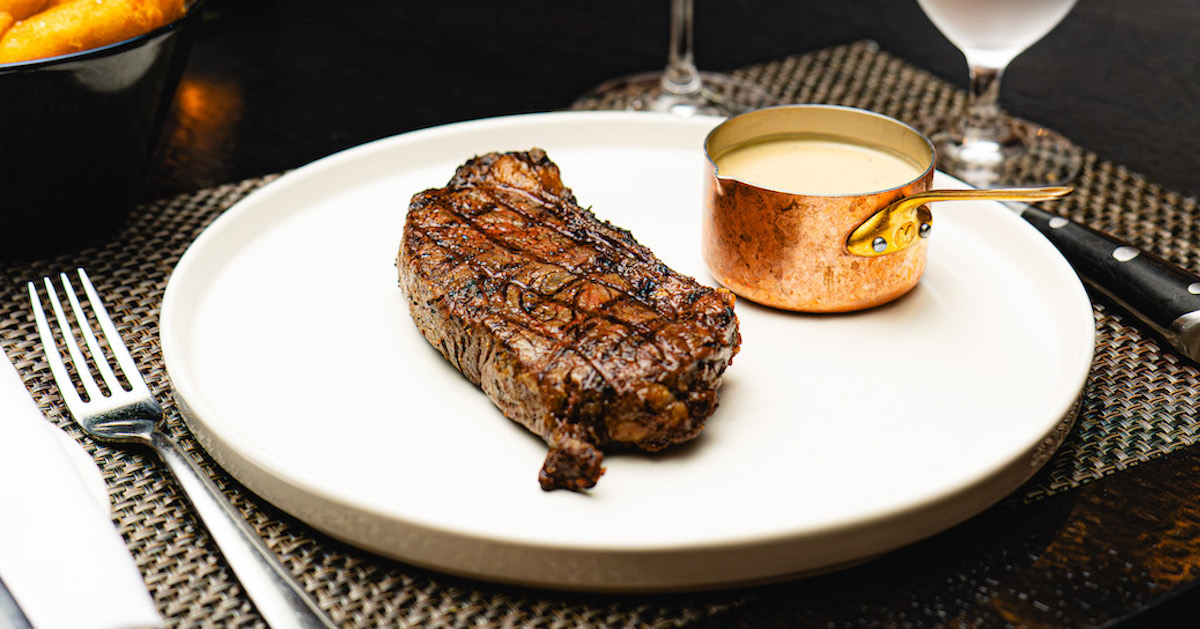
New York strip steak is a common cut on American menus, and it’s becoming more common in the UK. Also known as sirloin, strip loin, or Kansas City strip, it’s butchered from the short loin, which also produces other premium cuts such as porterhouse or T-bone steaks. Cooking this beautifully beefy cut at home can be daunting for beginners. So I asked Sam Karle, Group Executive Chef at Dakota Hotels, to share some professional tips.
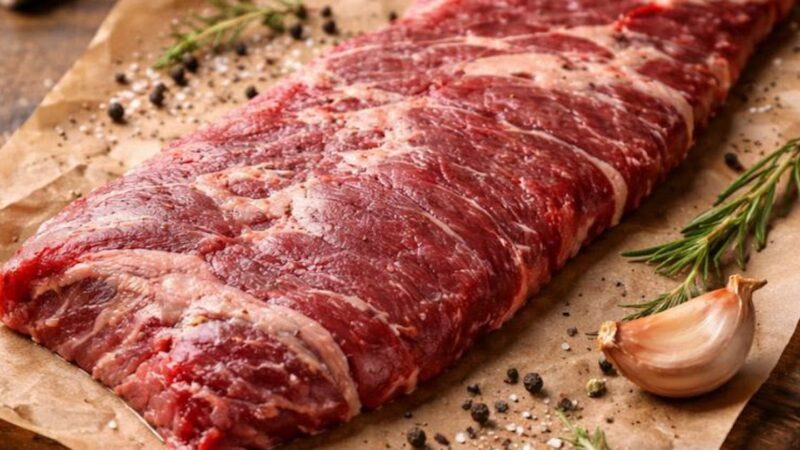
“When I’m buying a New York strip, the first thing I look for is even marbling throughout the steak,” explains Karle. “That’s where a lot of the flavour comes from, and it helps keep the meat juicy during cooking.” As for size, the chef recommends opting for a steak that’s around ¾ cm thick. This makes it easier to cook evenly and with more control. Ask your butcher about how the beef has been aged, too. “If I had the choice, I’d pick dry-aged every time for its deeper, more concentrated flavour,” says Karle.
If you wonder why your steak at home is never close to restaurant-quality, Karle has some top tips. “Two of the biggest mistakes people make are cooking a steak straight from the fridge and putting it into the pan while it’s still wet,” he says. “I always take my steak out around 45 minutes before cooking so it can come up towards room temperature, then pat it dry. That helps the steak cook more evenly and gives you a much better crust.”
Cook New York strip steaks in a smoking hot pan and keep sides simple
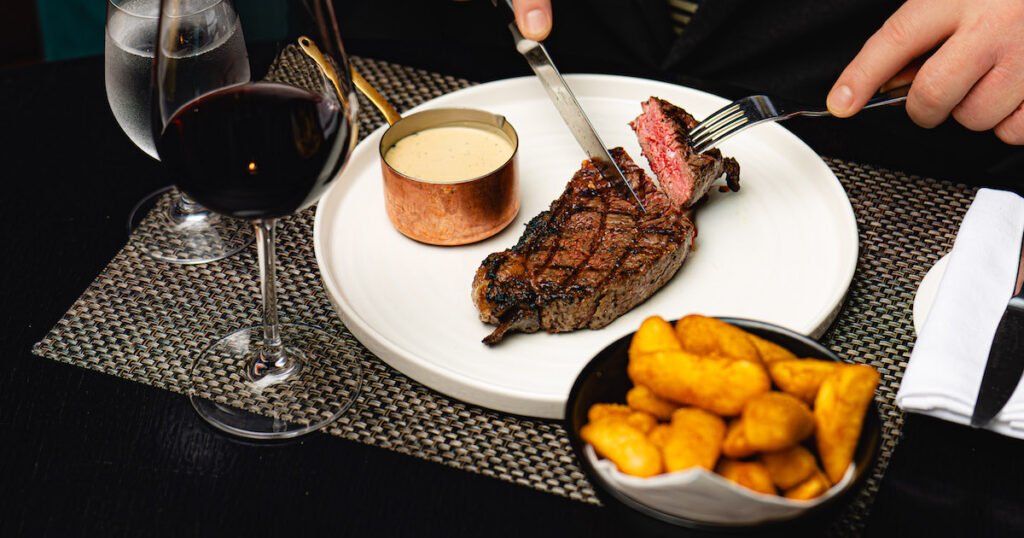
Don’t be shy of high heat when it comes to cooking a steak like the professionals. “Start with a pan that’s smoking hot before adding the New York strip,” says chef Sam Karle, who serves the cut at The Grill at Dakota. “Once it’s in the pan, leave it alone, don’t keep moving it around. You want to develop a deep, caramelised crust before turning it over. Once you’ve got good colour on both sides, add a generous amount of butter along with crushed garlic and fresh thyme. Then continuously baste the steak as it finishes cooking to build flavour.”
Don’t be tempted to guess when the steak has reached your desired doneness – accuracy is key. “I’d always recommend using a probe rather than relying on cooking times alone, as the thickness of the steak, the pan and the heat can all affect how long it takes,” explains Karle. And if you want a tender, juicy piece of meat, it’s vital to rest your steak. “Resting is just as important as cooking, so leave the steak to rest for at least five minutes before serving,” says the chef. Aim for a finishing rested temperature of 48 to 50°C, he suggests, which will give you a rare steak.
As for how to serve a New York strip steak, Karle says it all depends on the occasion. “If you’re serving it to share, slice it against the grain for the best texture,” he says. This shortens the muscle fibres for a tender rather than chewy bite. The chef’s favourite accompaniments are beef-fat chips, balsamic-braised shallots, and a classic peppercorn sauce. “I like to keep the sides simple and let the quality of the beef do the talking,” he says.